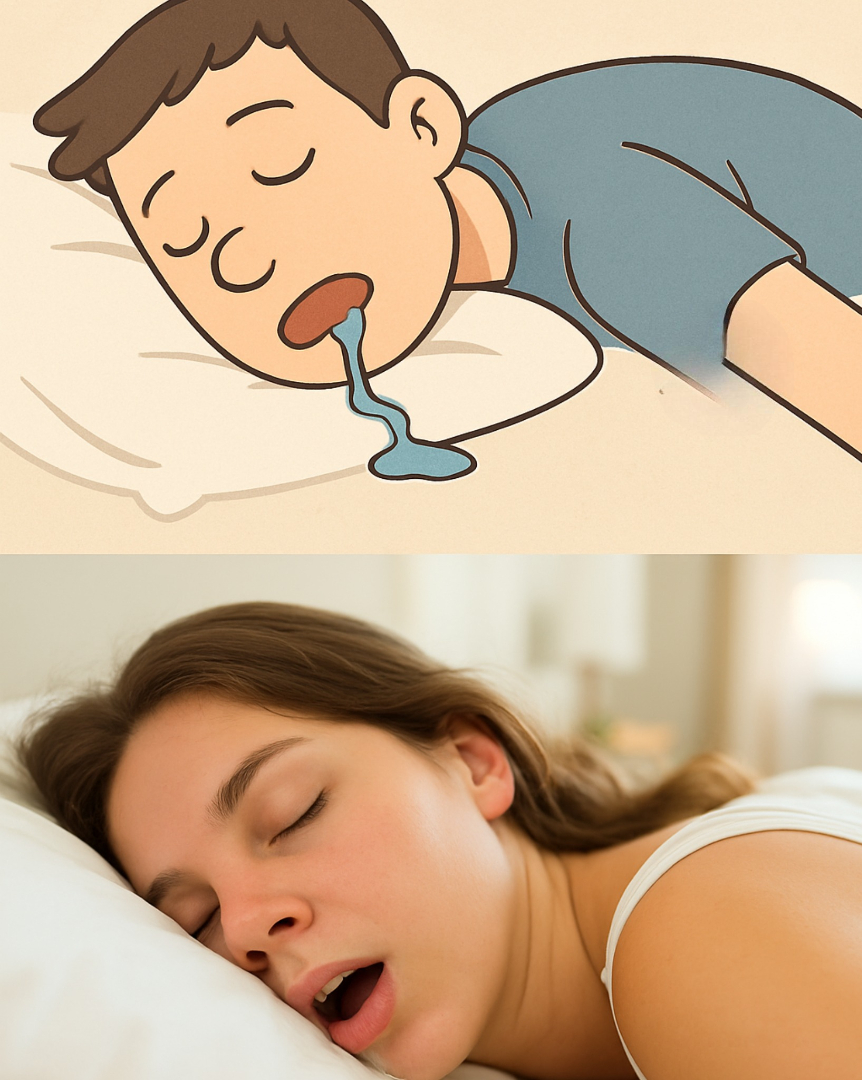
 Drooling During Sleep: Causes & Solutions
Drooling during sleep is very common and happens to many people—both children and adults. In most cases, it’s completely normal, but sometimes it can feel uncomfortable or embarrassing, especially if it happens often.
In this article, you’ll learn the main causes, when to worry, and how to reduce it 
 Why do you drool while sleeping?
There are several possible reasons:
1. Sleeping position
If you sleep on your side or stomach, saliva can easily flow out of your mouth due to gravity.
2.  Muscle relaxation
When you fall asleep, your facial muscles relax. This may cause your mouth to open slightly, letting saliva escape.
3.  Breathing through the mouth
If your nose is blocked because of:
- a cold
- allergies
- sinus issues
you may breathe through your mouth, which increases drooling.
4.  Oral or dental issues
Conditions like:
- gum inflammation
- tooth decay
- braces or dental appliances
can sometimes lead to excess saliva.
5.  Medical conditions
5. Medical conditions
In some cases, drooling may be linked to:
- nerve-related conditions
- difficulty swallowing
- other health issues
(These are less common but may require medical attention.)
 Is drooling during sleep dangerous?
Usually  No
No
It’s harmless if it happens occasionally.
However, you should pay attention if:
- it happens every night heavily
- it’s getting worse
- you have trouble breathing or swallowing
In these cases, it’s best to consult a doctor.
 How to reduce drooling
Here are simple and effective tips:
 1. Change your sleeping position
Try sleeping on your back to prevent saliva from escaping.
 2. Improve oral hygiene
- Brush your teeth regularly
- Use mouthwash
 3. Treat nasal blockage
Fixing allergies or congestion helps you breathe through your nose.
 4. Stay hydrated
Drinking enough water helps regulate saliva production.
 5. Keep your mouth closed
Try to train yourself to keep your mouth closed while sleeping (or seek medical advice if needed).
 Conclusion
Drooling during sleep is:
- very common

- usually harmless
- often related to sleep position or breathing
With a few simple changes, you can reduce or even stop it.


0 Comment:
Enregistrer un commentaire