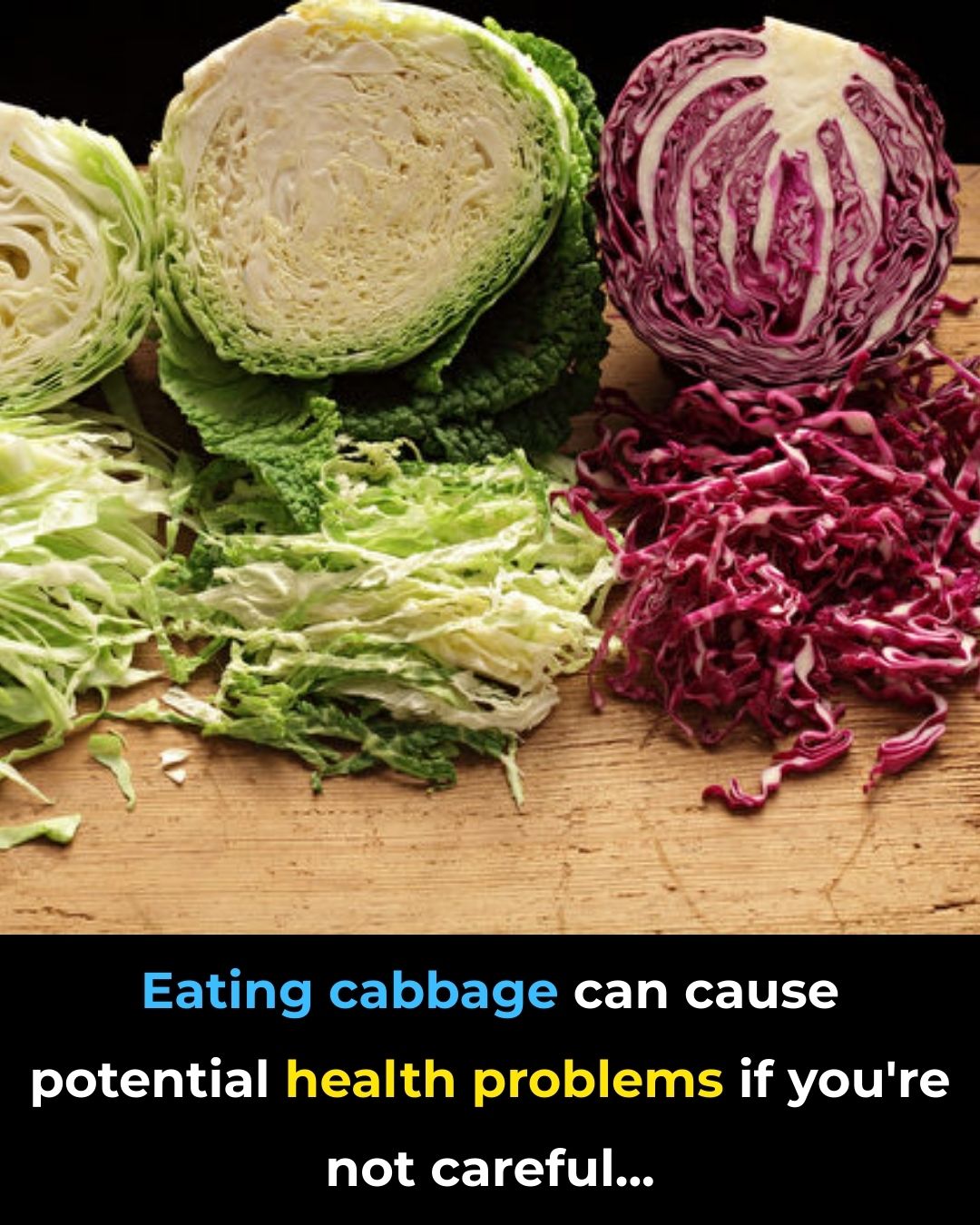
Can Eating Cabbage Cause Health Problems?

Cabbage is one of the most widely consumed vegetables around the world, valued for its affordability, versatility, and impressive nutritional profile. Whether it’s green cabbage, red cabbage, or varieties like Napa, this leafy vegetable is a staple in many traditional dishes—from salads and slaws to soups and fermented foods like sauerkraut and kimchi. Despite its many health benefits, there has been growing discussion about whether eating cabbage can cause health problems. The reality is more nuanced: cabbage is generally very healthy, but certain factors can make it problematic for some individuals if consumed in large amounts or under specific conditions.
 Nutritional Benefits of Cabbage

Before diving into the potential downsides, it’s important to understand why cabbage is considered such a beneficial food. It is low in calories but rich in essential nutrients. Cabbage is an excellent source of vitamin C, which supports the immune system and helps the body fight infections. It also contains vitamin K, which is crucial for blood clotting and bone health. Additionally, cabbage provides dietary fiber, aiding digestion and promoting gut health.
Red cabbage, in particular, is rich in anthocyanins—powerful antioxidants that help reduce inflammation and may protect against chronic diseases like heart disease. Cabbage also contains compounds known as glucosinolates, which have been studied for their potential cancer-fighting properties. These nutrients make cabbage a valuable addition to a balanced diet.
 Potential Health Problems
Despite its benefits, cabbage is not entirely free from drawbacks. Problems usually arise when it is consumed excessively, eaten raw in large quantities, or when individuals have specific health conditions.
1. Digestive Issues (Gas and Bloating)
One of the most common complaints associated with cabbage is digestive discomfort. Cabbage contains complex carbohydrates and sulfur compounds that can be difficult for some people to digest. When these compounds are broken down in the gut, they can produce gas, leading to bloating, flatulence, and sometimes stomach cramps. This is especially noticeable when cabbage is eaten raw, as cooking can help break down some of these compounds and make it easier to digest.
2. Impact on Thyroid Function
Cabbage belongs to the cruciferous vegetable family, which also includes broccoli, cauliflower, and kale. These vegetables contain substances known as goitrogens. Goitrogens can interfere with the body’s ability to absorb iodine, a mineral essential for proper thyroid function. In extreme cases—especially when large amounts of raw cabbage are consumed—this may contribute to thyroid issues such as Hypothyroidism. However, it’s important to note that this risk is generally low for people who consume cabbage in normal amounts and have adequate iodine intake.
3. Interaction with Medications
Cabbage is rich in vitamin K, which plays a key role in blood clotting. While this is beneficial for most people, it can be a concern for those taking blood-thinning medications such as warfarin. Sudden increases or decreases in vitamin K intake can affect how these medications work. Therefore, individuals on such treatments should maintain a consistent intake of cabbage and consult their healthcare provider if they plan to make significant dietary changes.
4. Irritable Bowel Syndrome (IBS) Triggers
For people with sensitive digestive systems or conditions like irritable bowel syndrome (IBS), cabbage can act as a trigger food. It contains fermentable carbohydrates (FODMAPs) that can worsen symptoms such as bloating, diarrhea, or abdominal pain. In such cases, limiting intake or choosing cooked cabbage over raw may help reduce discomfort.
5. Food Safety Concerns
Like other leafy vegetables, cabbage can sometimes carry bacteria if not washed properly. Eating contaminated cabbage may lead to foodborne illnesses. This risk is relatively low but can be minimized by thoroughly washing and properly storing the vegetable before consumption.
 Tips for Safe and Healthy Consumption
To enjoy cabbage without unwanted side effects, moderation and preparation methods are key. Cooking cabbage—by steaming, sautéing, or boiling—can significantly reduce its gas-producing compounds and make it easier on the digestive system. Fermented forms like sauerkraut and kimchi not only enhance flavor but also introduce beneficial probiotics that support gut health.
It’s also wise to introduce cabbage gradually into your diet if you’re not used to eating it regularly. This allows your digestive system to adjust and reduces the likelihood of discomfort. Drinking plenty of water and pairing cabbage with other easily digestible foods can further improve tolerance.
For individuals with thyroid conditions or those taking medications that interact with vitamin K, consulting a healthcare professional before making cabbage a major part of the diet is highly recommended.

 Conclusion
Cabbage is far from being a harmful food—in fact, it is a nutrient-dense vegetable that offers numerous health benefits. The idea that cabbage is dangerous is largely a misconception. However, like many healthy foods, it can cause issues when consumed excessively or by individuals with specific health concerns. Digestive discomfort, potential thyroid interference, and medication interactions are the main points to consider.
Ultimately, cabbage can be a valuable and safe part of a balanced diet when eaten in moderation and prepared properly. By understanding your body’s response and making small adjustments, you can enjoy all the benefits of this versatile vegetable without experiencing unwanted side effects.


0 Comment:
Enregistrer un commentaire