
In recent years, breast itching and pain have become increasingly common symptoms among women of all ages. Many reports are coming in, both clinically and on forums and support groups, where women share experiences of widespread discomfort, burning, or tenderness in the breast area.
These symptoms can manifest as a dull, diffuse sensation or as localized twinges, often accompanied by intense itching. Some people experience these symptoms intermittently, while others experience them continuously, potentially interfering with their daily routine. Sensation may also vary from breast to breast, or affect both breasts simultaneously, making the assessment subjective but nonetheless significant.
Many women report a feeling of increasing discomfort throughout the day or at certain times, with itching that can become persistent and sometimes difficult to ignore . For some women, these symptoms represent significant physical discomfort, while for others they are a source of anxiety and concern, especially when they appear for no apparent reason.

One thing is clear: the number of people complaining of itchy breasts appears to be steadily increasing, and more and more women are seeking information to better understand what might be happening in their bodies. The discomfort is no longer considered an occasional occurrence, but a common phenomenon that deserves careful attention and observation.
In this context, breast itching and pain are a daily experience shared by many women, and the increasing frequency of these symptoms has led to a greater awareness of their presence in everyday life. But what do these symptoms mean? Find all the answers on the second page
Breast pain and itching are common ailments that can have various origins, from hormonal fluctuations to skin reactions or infections. Understanding the possible causes is essential for proper health management and prompt intervention when necessary. Breast discomfort often occurs in conjunction with hormonal changes, such as premenstrual periods, pregnancy, or puberty.
These changes can make breast tissue more sensitive, causing widespread or localized pain. It’s helpful to note whether the symptom affects both breasts or just one, whether it’s constant or intermittent, and whether it’s related to factors such as the menstrual cycle, physical activity, or intimate areas. Persistent or severe symptoms require medical evaluation, which may include targeted diagnostic tests.
Other common causes include allergic reactions to detergents , cosmetics, perfumes, or synthetic fabrics, which can cause itching and irritation. Dry skin is another factor, aggravated by exposure to chemicals, the sun, or poor hydration. Friction caused by tight bras or tight-fitting clothing can also cause discomfort.
In all these cases, regular hydration, proper clothing, and careful attention to the products used can reduce symptoms. During breastfeeding, milk residue or difficulty latching can cause itching. Similarly, fungal infections such as breast candidiasis can manifest as rashes, burning, or localized discomfort, especially in humid environments or in women who exercise. In these situations, keeping the area clean and dry and consulting a doctor for specific treatment are essential.
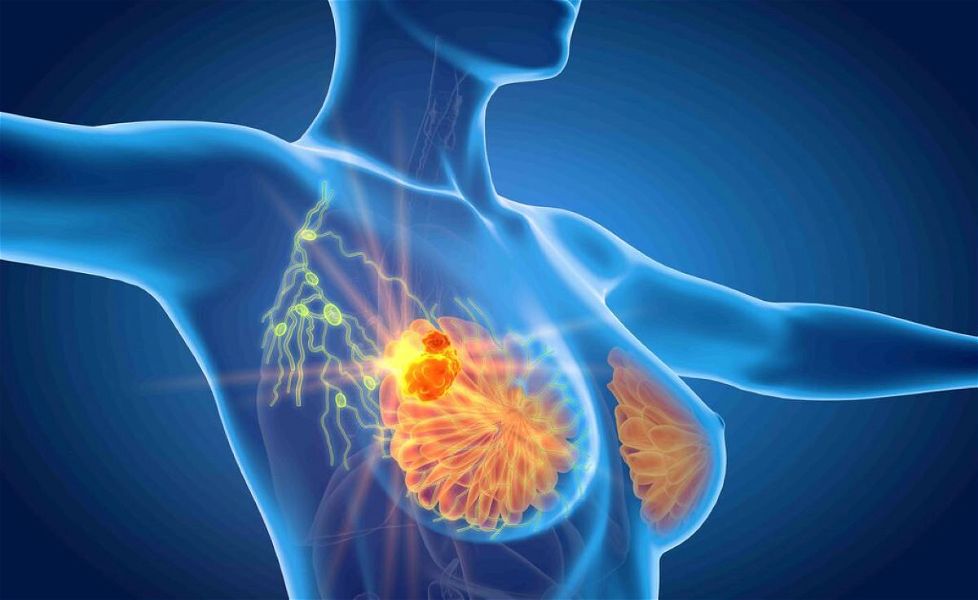
Although rare, symptoms can sometimes indicate more serious conditions, such as breast cancer. Warning signs include redness, swelling, unusual discharge, or skin changes. Therefore, any prolonged or unusual symptoms should be evaluated by a gynecologist or specialist to rule out significant pathologies and receive the most appropriate treatment.


0 Comment:
Enregistrer un commentaire