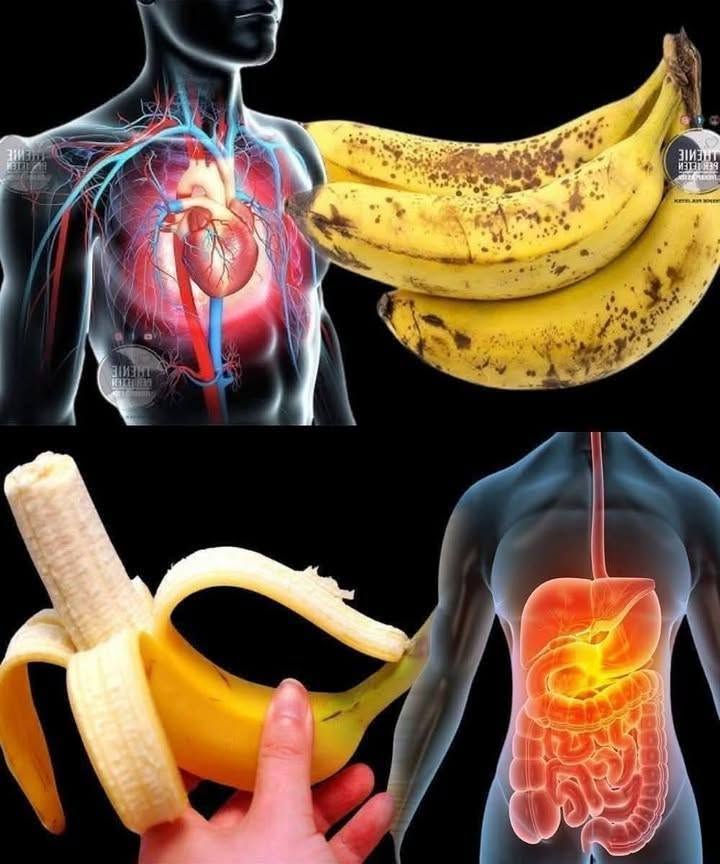
Bananas are among the most widely consumed fruits in the world—and for good reason. They're affordable, portable, naturally sweet, and packed with nutrients that support overall health. Despite many exaggerated claims online, bananas are not a miracle food, but regular consumption as part of a balanced diet can provide a wide range of evidence-based benefits.
From supporting heart health and digestion to fueling exercise and helping maintain healthy blood pressure, bananas deserve their reputation as one of nature's most convenient nutritious snacks.
In this article, we'll explore the science behind bananas, their nutritional value, their potential health benefits, who should eat them in moderation, and the best ways to include them in your daily routine.
What Makes Bananas So Nutritious?
A medium banana contains approximately:
About 105 calories
27 grams of carbohydrates
Around 3 grams of fiber
Approximately 14 grams of natural sugars
422 mg of potassium
Vitamin B6
Vitamin C
Magnesium
Manganese
Small amounts of protein
Bananas are naturally free of cholesterol and contain almost no fat, making them an excellent addition to many healthy eating patterns.
1. A Natural Energy Booster
One of the biggest reasons athletes enjoy bananas is their ability to provide quick yet sustained energy.
Bananas contain natural carbohydrates in the form of:
Glucose
Fructose
Sucrose
These sugars are accompanied by fiber, which helps slow digestion and provides a steadier release of energy than many sugary snacks.
This makes bananas ideal:
Before workouts
During long endurance activities
After exercise
As an afternoon snack
Instead of causing the sharp spikes and crashes associated with candy or sugary drinks, bananas provide a more balanced source of fuel.
2. Supports Heart Health
Bananas are famous for their potassium content.
Potassium is an essential mineral that helps:
Maintain normal blood pressure
Support proper muscle contractions
Keep the heartbeat regular
Balance sodium levels
Many adults consume less potassium than recommended.
A diet rich in potassium-containing foods has been associated with better cardiovascular health and healthier blood pressure levels.
Bananas are one of the easiest ways to increase dietary potassium.
3. Helps Maintain Healthy Blood Pressure
Excess sodium can contribute to elevated blood pressure.
Potassium helps counterbalance sodium by encouraging the kidneys to remove excess sodium through urine.
For this reason, health professionals often recommend increasing fruits and vegetables—including bananas—as part of a heart-healthy eating plan.
4. Supports Healthy Digestion
Bananas contain two important types of fiber:
Soluble fiber
Insoluble fiber
These fibers help:
Support regular bowel movements
Promote healthy digestion
Feed beneficial gut bacteria
Improve stool consistency
Green bananas also contain resistant starch, which acts like a prebiotic and nourishes beneficial microbes in the intestines.
A healthy gut microbiome has been linked to:
Better digestion
Stronger immunity
Improved metabolic health
5. Gentle on the Stomach
Unlike acidic fruits, bananas are generally easy to digest.
Many people choose bananas when recovering from:
Mild stomach upset
Diarrhea
Nausea
Digestive discomfort
Bananas are commonly included in the BRAT diet:
Bananas
Rice
Applesauce
Toast
Although the BRAT diet is no longer recommended as the only diet during illness, bananas remain a gentle food for many people.
6. Supports Exercise Performance
Many athletes eat bananas before competitions.
Why?
Because bananas provide:
Easily digestible carbohydrates
Potassium
Magnesium
Natural sugars
These nutrients help fuel muscles during exercise.
Some studies suggest bananas perform similarly to sports drinks during prolonged endurance events while also providing vitamins and antioxidants.
7. Helps Reduce Muscle Cramps
Although muscle cramps have many causes, maintaining adequate potassium intake supports normal muscle function.
Bananas contribute potassium and magnesium, two minerals involved in:
Muscle contractions
Nerve signaling
Electrolyte balance
Eating bananas alone won't eliminate cramps, but they can contribute to overall muscle health.
8. Supports Brain Function
Bananas contain vitamin B6, an essential nutrient involved in producing neurotransmitters such as:
Serotonin
Dopamine
GABA
These chemicals help regulate:
Mood
Sleep
Concentration
Cognitive function
Vitamin B6 also supports healthy brain development throughout life.
9. May Support Mood
Bananas are often promoted as "happy foods."
While no food instantly improves mood, bananas contribute nutrients involved in normal brain chemistry.
These include:
Vitamin B6
Carbohydrates
Magnesium
Tryptophan
Tryptophan is an amino acid the body uses to produce serotonin.
A balanced diet rich in fruits, vegetables, whole grains, and healthy fats supports mental well-being more effectively than any single food.
10. Rich in Antioxidants
Bananas provide antioxidants such as:
Dopamine
Catechins
These compounds help protect cells against oxidative stress caused by free radicals.
Reducing oxidative stress supports healthy aging and overall wellness.
11. Supports Healthy Weight Management
Despite their sweetness, bananas can fit into a weight-management plan.
Their fiber content helps increase fullness.
Feeling satisfied may reduce unnecessary snacking later in the day.
Because bananas are naturally sweet, they can also replace processed desserts or sugary snacks.
12. Convenient Healthy Snack
Few foods are as convenient as bananas.
They require:
No washing
No peeling until ready
No refrigeration
No preparation
This makes them an ideal healthy snack for:
School
Work
Travel
Hiking
Sports
13. Supports Kidney Health (for Most People)
Potassium supports normal kidney function in healthy individuals.
However, people with advanced kidney disease may need to limit potassium-rich foods because damaged kidneys cannot remove excess potassium effectively.
Anyone with kidney disease should follow advice from their healthcare provider.
14. Supports Healthy Pregnancy
Bananas provide nutrients important during pregnancy, including:
Vitamin B6
Potassium
Vitamin C
Carbohydrates
Vitamin B6 may also help reduce mild morning sickness in some pregnant individuals.
Pregnant women should follow personalized dietary advice from their healthcare professional.
15. Good Source of Vitamin B6
One banana supplies roughly one-quarter of the daily vitamin B6 requirement.
Vitamin B6 helps:
Produce red blood cells
Support brain development
Metabolize protein
Maintain immune function
16. May Help Improve Recovery After Exercise
Following physical activity, bananas help replenish:
Carbohydrates
Potassium
Fluids (when eaten with water)
Many athletes combine bananas with yogurt or milk for a balanced recovery snack.
17. Naturally Cholesterol-Free
Bananas contain:
No cholesterol
Almost no fat
No saturated fat
This makes them suitable for many heart-conscious eating patterns.
18. Versatile in the Kitchen
Bananas can be enjoyed:
Fresh
Frozen
Blended into smoothies
Mixed into oatmeal
Added to yogurt
Baked into muffins
Sliced onto whole-grain toast with peanut butter
Frozen as a healthy dessert
Choosing the Right Banana
Green bananas:
Less sweet
Higher resistant starch
Lower glycemic effect
Yellow bananas:
Sweeter
Easier to digest
Balanced flavor
Brown-spotted bananas:
Very sweet
Great for baking
Ideal for smoothies
Each stage has different culinary uses.
Can People With Diabetes Eat Bananas?
Yes—many people with diabetes can enjoy bananas in moderation.
The key is portion size.
Helpful tips include:
Pair bananas with protein or healthy fats
Avoid eating several bananas at once
Choose smaller bananas if needed
Monitor individual blood sugar responses
Personalized advice from a healthcare professional is important.
Who Should Eat Bananas in Moderation?
Although healthy for most people, moderation is advisable for:
Individuals with advanced kidney disease
People following potassium-restricted diets
Those with certain rare metabolic disorders
Individuals advised by their healthcare provider to limit potassium intake
Simple Healthy Banana Recipes
Banana Oatmeal
Ingredients:
½ cup oats
1 sliced banana
Cinnamon
Chopped walnuts
Banana Smoothie
Ingredients:
1 banana
Greek yogurt
Milk or plant milk
Ice
Cinnamon
Banana Peanut Butter Toast
Ingredients:
Whole-grain bread
Peanut butter
Banana slices
Frozen Banana Bites
Slice bananas.
Freeze.
Dip in a little dark chocolate if desired.
Freeze again.
A healthier dessert option.
Common Myths About Bananas
Myth: Bananas cause weight gain.
Reality:
Weight gain results from consuming more calories than your body uses over time. Bananas can be part of a balanced diet.
Myth: Bananas cure depression.
Reality:
They provide nutrients involved in brain function but are not a treatment for depression.
Myth: Bananas instantly stop muscle cramps.
Reality:
Potassium supports muscle function, but cramps have many possible causes, including dehydration, muscle fatigue, and electrolyte imbalance.
Myth: Bananas should never be eaten at night.
Reality:
There is no strong scientific evidence that eating a banana in the evening is harmful for most people.
Tips for Including Bananas in a Healthy Diet
Eat them with nuts or yogurt for longer-lasting fullness.
Add sliced banana to oatmeal or whole-grain cereal.
Blend frozen bananas into smoothies.
Use mashed banana as a partial substitute for sugar or butter in baking.
Freeze ripe bananas before they spoil and use them later in smoothies or baking.
Pair bananas with other fruits for a wider variety of nutrients.
Final Thoughts
Bananas are one of the most nutritious, affordable, and versatile fruits available. They provide potassium, vitamin B6, vitamin C, fiber, and natural carbohydrates that support energy, heart health, digestion, and overall well-being.
While bananas are not a miracle food, they are an excellent example of how simple, everyday foods can contribute to better health when included as part of a balanced diet rich in fruits, vegetables, whole grains, lean proteins, and healthy fats.
Rather than expecting dramatic results from any single food, focus on consistent healthy habits. Enjoying a banana as part of your daily routine is one small step that can support long-term wellness.


0 Comment:
Enregistrer un commentaire